
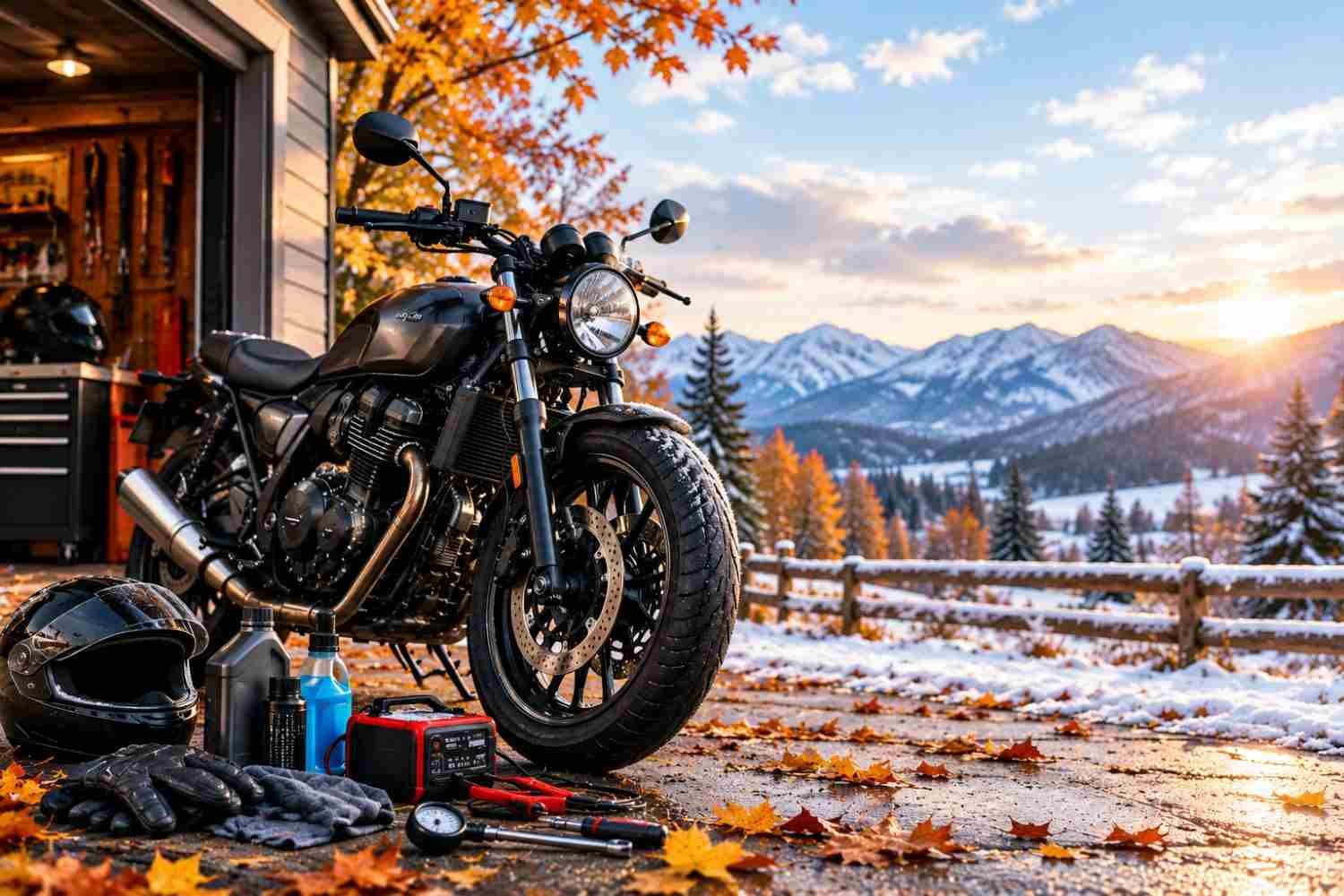
Fall is one of the best times to enjoy a motorcycle ride in many parts of the United States. The air is cooler, the scenery changes, and popular roads become especially appealing. But as temperatures drop and winter approaches, motorcycle owners need to think beyond their next ride.
Cold weather can affect battery performance, tire pressure, fluids, and other parts of a motorcycle. Fallen leaves, road salt, moisture, and long periods of storage can create additional problems if the bike is not properly cared for.
Whether you plan to ride through the colder months or park your motorcycle until spring, a little preparation now can help prevent avoidable repairs and make your next riding season easier to start.
1. Give Your Motorcycle a Thorough Inspection
Before fall temperatures drop further, take some time to inspect your motorcycle from front to back. A basic check can reveal problems that may have gone unnoticed during summer rides.
Start with the tires, brakes, lights, mirrors, controls, and visible fluid lines. Look for cracked rubber, loose connections, worn components, or signs of leaking fluid. Check that the throttle moves freely and returns properly, and make sure the brake and clutch controls operate as expected.
The Motorcycle Safety Foundation’s T-CLOCS checklist covers Tires and Wheels, Controls, Lights and Electrical, Oil and Other Fluids, Chassis, and Stands. It is a useful starting point for a pre-ride inspection.
If you notice a problem with braking, steering, tire condition, or another safety-critical component, have it checked before riding. A quick inspection is not a substitute for professional service when something does not look or feel right.
2. Check Tire Pressure and Tread
Tires deserve extra attention as the weather changes. Cold air can reduce tire pressure, and underinflated tires may affect handling, stability, and tire wear.
Check the pressure when the tires are cold and use the specifications in your motorcycle owner’s manual or the manufacturer’s recommended pressure label. Do not automatically use the maximum pressure printed on the tire sidewall as your target.
While checking pressure, inspect both tires for cuts, cracks, punctures, bulges, and uneven tread wear. Pay attention to the tire’s age as well as its visible condition.
Cold tires may provide less grip during the first part of a ride, especially on damp pavement. Give them time to reach normal operating conditions through smooth, controlled riding. Avoid aggressive acceleration, hard braking, or sudden cornering when the road is cold or slippery.
If you regularly ride in areas that experience freezing temperatures or snow, consider whether your motorcycle is suitable for those conditions at all. When roads are icy or snow-covered, leaving the bike parked is often the safer choice.
3. Take Care of the Battery Before Winter
A motorcycle battery can struggle in cold weather, particularly if it is already old or partially discharged. A bike that starts without trouble in September may not start as easily after several cold weeks.
Check the battery terminals for corrosion and make sure the connections are secure. If the starter turns slowly, the lights seem unusually weak, or the battery has been unreliable, have its condition tested.
If you plan to store your motorcycle for several months, a compatible battery maintainer can help keep the battery charged. Follow the battery and charger manufacturers’ instructions, and use equipment designed for your particular battery type.
Some owners remove the battery and store it separately in a suitable location. Others leave it installed with a maintainer connected. The right method depends on the motorcycle, battery design, and storage conditions, so consult your owner’s manual before disconnecting or removing anything.
One common mistake is leaving a motorcycle unused all winter and assuming the battery will be fine in spring. A little attention before storage can help avoid a frustrating first start when riding weather returns.
4. Change the Oil and Check Other Fluids
If winter will mark the end of your riding season, check the service schedule before putting the motorcycle away. Depending on the model and its maintenance interval, changing the engine oil and filter before extended storage may be appropriate.
Used oil can contain contaminants from normal engine operation. Follow the manufacturer’s recommendations for oil type, filter replacement, and service timing rather than relying on a universal rule for every motorcycle.
Liquid-cooled motorcycles also need suitable coolant protection for the temperatures they will face. Check the coolant condition and service interval, and look for damaged hoses or signs of leakage. Never open a hot cooling system.
Brake and clutch fluid should also be inspected according to the service schedule. If the level is low, investigate the cause rather than simply topping it off and ignoring the issue.
Not every motorcycle uses the same fluids or maintenance procedure. Air-cooled models, liquid-cooled bikes, and different engine designs have different requirements. When in doubt, use the owner’s manual or ask a qualified motorcycle technician.
5. Clean the Bike and Protect It From Moisture
Before storing your motorcycle, wash away dirt, insects, road grime, and other residue that accumulated during the riding season. Pay attention to areas where moisture and debris collect, including the wheels and less visible parts of the frame.
Dry the motorcycle thoroughly, especially around metal components and electrical connections. Moisture left on the bike can contribute to corrosion, particularly when the motorcycle is stored in a damp garage or exposed to changing outdoor temperatures.
After cleaning, use suitable protective products on the surfaces for which they are intended. Keep waxes, oils, and sprays away from tires, brake discs, brake pads, and other surfaces where they could reduce traction or braking performance.
If your motorcycle has a drive chain, inspect it and clean and lubricate it according to the manufacturer’s instructions. Belt-driven and shaft-driven motorcycles have different maintenance needs, so do not apply chain-care procedures to systems that do not use a chain.
A clean motorcycle is easier to inspect, too. Small leaks, corrosion, and damaged components are often easier to spot when the bike is not covered in road grime.
6. Prepare the Fuel System for Long-Term Storage
Fuel preparation matters when a motorcycle will sit unused for an extended period. Gasoline can deteriorate over time, and fuel-system problems may develop during storage, depending on the fuel, storage conditions, and motorcycle design.
Some manufacturers recommend adding an appropriate fuel stabilizer before storage. Others provide specific instructions for fuel level, fuel treatment, or draining parts of the system.
Do not assume that one procedure works for every motorcycle. Follow the recommendations for your model, use products according to their labels, and avoid improvised fuel-system procedures.
If you use a fuel stabilizer, make sure it is compatible with the motorcycle and fuel system. Never store or handle gasoline near open flames, sparks, heaters, or other ignition sources. Work in a well-ventilated area and follow all safety precautions.
Taking care of fuel before an extended break can reduce the chance of dealing with starting or fuel-system problems when warmer weather returns.
7. Choose the Right Winter Storage Location
Where you keep your motorcycle can make a real difference during winter.
An indoor garage or other dry, secure space is generally preferable to leaving the bike exposed to snow, rain, wind, and road salt. If indoor storage is not available, choose a stable parking location and use a motorcycle cover designed for outdoor conditions.
A cover should protect the motorcycle without trapping excessive moisture underneath it. A breathable, properly fitted cover can help limit exposure to dirt and weather, but it cannot replace a dry storage location.
Avoid placing a motorcycle where falling snow, roof runoff, or standing water can collect around it. If you use a stand to reduce prolonged tire loading, make sure it is appropriate for the bike and positioned securely.
It is also worth considering pests. Small animals may seek shelter in a parked motorcycle, especially in garages and sheds. Check the bike periodically and use suitable protective measures recommended for your model. If you cover exhaust openings during storage, leave a clear reminder to remove those covers before attempting to start the engine.
8. Protect the Tires During Extended Storage
A motorcycle left in the same position for months may develop flat spots or uneven tire loading, depending on the tire, pressure, weight, and storage conditions.
Before parking the bike, inflate the tires to the manufacturer’s recommended cold pressure. Check them periodically during storage and follow the manual’s advice on reducing prolonged pressure on the tires.
A suitable motorcycle stand may help, provided it supports the bike safely. If you do not have one, periodically moving the motorcycle may be an option where it can be done safely.
Do not overinflate the tires beyond the manufacturer’s guidance simply to compensate for storage. Proper pressure and suitable support are more important than guessing at an extra amount.
When spring arrives, inspect the tires again before riding. Check pressure, tread, sidewalls, and signs of cracking or damage. If anything looks questionable, have the tire inspected by a professional.
9. Make Cold-Weather Riding Safer
Not every motorcycle owner stops riding in winter. In states with milder conditions, some riders continue to use their bikes throughout the year. However, a motorcycle that is mechanically sound still needs suitable road conditions and careful handling.
Shorter daylight hours mean it is important to check your lights and make yourself visible. Reflective clothing and appropriate riding gear can help other road users see you, particularly around dusk and in poor weather.
Wet leaves, loose gravel, rain, and road salt can make corners and intersections more difficult to navigate. Ride smoothly, leave additional following distance, and avoid sudden braking or steering movements.
Cold weather also affects the rider. Gloves, layers, and protective gear suited to the conditions can help maintain comfort and concentration. If the cold makes it difficult to operate the controls properly, do not continue the ride.
Check the forecast and road reports before leaving. If ice, snow, freezing rain, or unsafe conditions are expected, postpone the trip. No maintenance routine can make a motorcycle safe to ride on every winter road.
10. Check on Your Motorcycle During Storage
Putting a motorcycle away does not mean forgetting about it until spring. Periodic checks can help you catch issues before they become bigger problems.
Look for signs of moisture, leaks, corrosion, pest activity, or a damaged cover. Check the battery maintainer if you use one, and inspect tire pressure according to the manufacturer’s recommendations.
Avoid starting the motorcycle briefly just to let it idle unless the manufacturer specifically recommends that procedure. Short runs may not bring the engine and exhaust system fully up to operating temperature, which can allow moisture to accumulate. Follow the storage guidance for your specific bike instead.
Keep a simple record of the work you completed before storage, including oil changes, battery care, and any repairs still needed. This makes it easier to prepare the motorcycle for its first ride when spring arrives.
What If You Need to Move Your Motorcycle Before Winter?
Sometimes seasonal changes come with a move, a new job, or the purchase of a motorcycle in another state. If you do not plan to ride the bike to its destination, professional motorcycle transport may be worth considering.
Before arranging transport, review the pickup and delivery details, the carrier’s insurance information, the condition-report process, and the expected schedule. Ask how the motorcycle should be prepared for collection and whether any accessories need to be removed or secured.
You can learn more about motorcycle shipping services from NG Auto Haulers LLC. If you are comparing transport options, this guide on how to ship a motorcycle in the USA can help you understand the process before making arrangements.
Final Thoughts
Fall and winter maintenance is not just about covering a motorcycle and waiting for warmer weather. It is about checking the parts that matter, preparing the battery and fluids, protecting the bike from moisture, and deciding whether it will be ridden or stored.
The most useful maintenance plan is one that matches your motorcycle and the climate where you live. A rider in Florida may have a very different winter routine from someone in Minnesota or Colorado, where freezing temperatures and snow can keep a motorcycle off the road for months.
Start with your owner’s manual, inspect the bike carefully, and address any safety-related problems before the next ride. A little preparation in fall can make the return to riding in spring much smoother.