
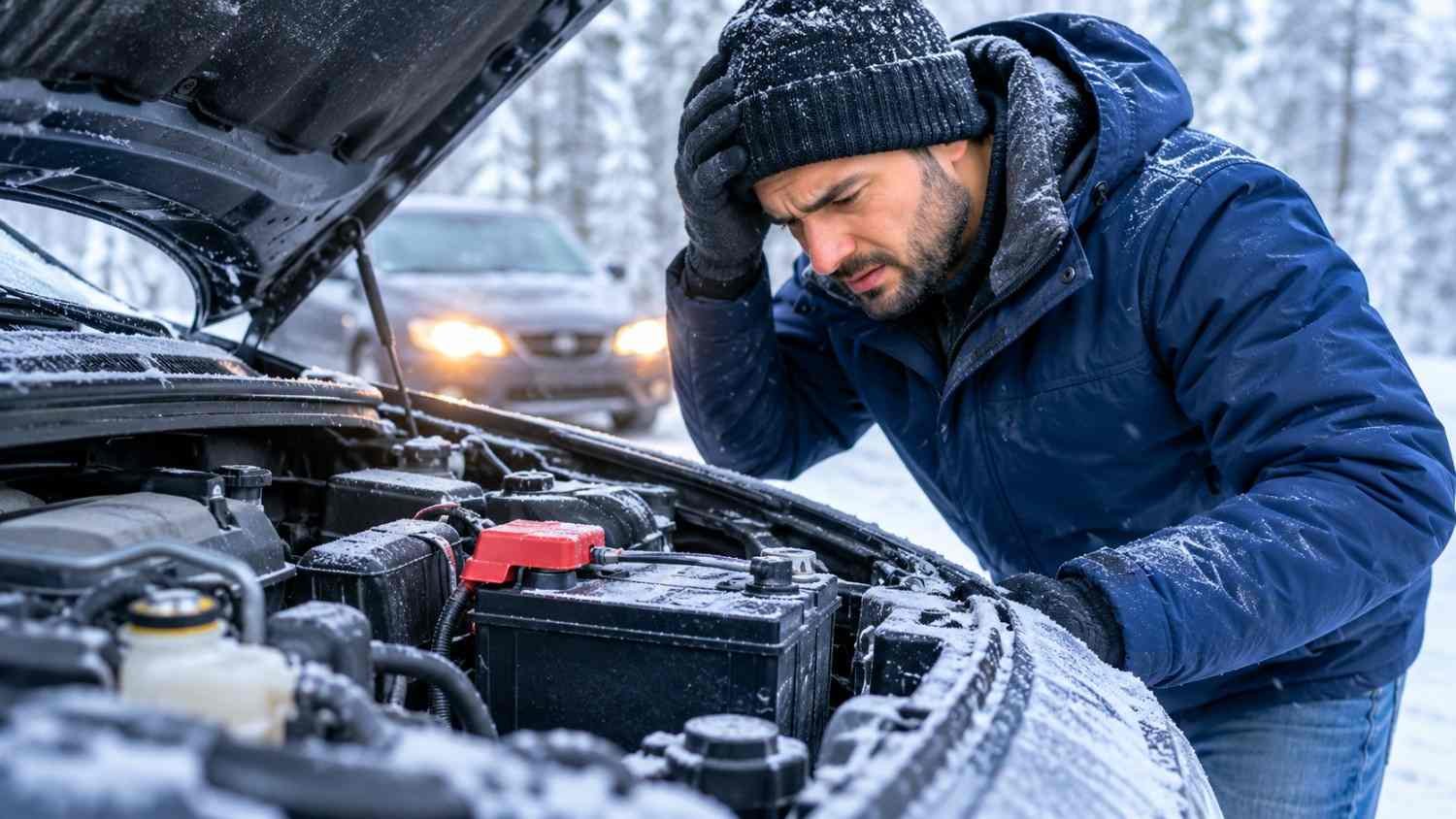
Imagine getting ready for work on a freezing winter morning. You get into your car, turn the key, and instead of the engine starting normally, you hear a slow, weak cranking sound. You try again, but the engine struggles to turn over. This is a familiar problem for many drivers across the United States when temperatures begin to drop.
Car batteries often seem to fail without warning during winter. A vehicle that started perfectly well during warmer months may suddenly refuse to start after a cold night. The reason is that low temperatures affect how a battery produces and delivers electricity, while also making it harder for the engine to start.
So, why are car batteries dying faster in cold weather? Is the cold actually damaging the battery, or is it exposing a problem that was already developing?
Understanding what happens inside your battery can help you recognize early warning signs, avoid unexpected breakdowns, and prepare your vehicle before the coldest days arrive.
Why Does Cold Weather Affect Car Batteries?
Most traditional gasoline-powered cars use a 12-volt lead-acid battery to supply the electrical power needed to start the engine. Inside the battery, chemical reactions produce the electricity used by the starter motor and other vehicle systems.
Cold temperatures slow these chemical reactions. As a result, the battery cannot deliver electricity as effectively as it can in warmer conditions.
According to AAA, a car battery can lose approximately 35% of its strength at 32°F. At 0°F, the loss can reach around 60%. The exact performance varies depending on the battery’s condition and design, but the difference can be significant.
The problem becomes more serious because the engine also needs additional effort to start in freezing weather.
1. Cold Temperatures Reduce Battery Power
A healthy battery can usually handle normal winter conditions, but its available starting power decreases as the temperature falls.
This becomes a bigger concern when a battery is already several years old. It may have enough power to start the engine on a mild afternoon but struggle after sitting outside overnight in freezing temperatures.
That is why some drivers experience their first starting problem during a cold snap, even though the battery appeared to be working normally before winter.
2. Engine Oil Becomes Thicker in Winter
Low temperatures do not affect the battery alone. Engine oil also becomes thicker when it gets cold.
Thicker oil creates more resistance inside the engine, meaning the starter motor has to work harder to turn the engine over. This increases the amount of electrical power required during startup.
The battery is therefore dealing with two problems at the same time: it has less available power, while the engine needs more power to start.
This combination is one of the main reasons older batteries struggle during winter mornings.
3. Winter Accessories Increase Electrical Demand
Drivers often use more electrical equipment during cold weather. Heated seats, cabin heaters, headlights, windshield defrosters, and windshield wipers can all increase the electrical load on a vehicle.
These systems do not automatically mean your battery is failing. However, repeated short trips and heavy accessory use can make it harder for a partially discharged battery to recover its charge.
If your daily routine mainly involves driving a few minutes to work, school, or nearby stores, your battery may not receive enough charging time to recover fully after each start.
4. Older Batteries Have Less Reserve Power
Car batteries gradually lose their ability to hold and deliver a charge as they age.
A battery that is already weak has less reserve power available when temperatures fall. This is why an older battery may work during mild weather but fail when winter arrives.
AAA reports that many car batteries last approximately three to five years, although climate, driving habits, vehicle design, and maintenance can affect their lifespan.
The important point is that winter often reveals an existing weakness rather than being the only reason a battery has deteriorated.
Common Signs Your Car Battery Is Getting Weak
A failing battery does not always stop working immediately. In many cases, it gives drivers a few warnings before the vehicle refuses to start.
Watch for these signs:
Slow engine cranking: The engine turns over more slowly than usual when you start the car. This is one of the most noticeable signs of a weak battery.
Clicking sound when starting: You may hear repeated clicking when turning the key or pressing the start button. This can happen when the battery does not have enough power to operate the starter properly.
Dim headlights or interior lights: Lights may appear weaker than normal, especially when the engine is not running. Other electrical equipment may also behave inconsistently.
Battery warning light: A battery-shaped warning light on the dashboard can indicate a charging-system problem. It does not necessarily mean the battery itself needs replacement, so have the battery and charging system inspected.
Repeated jump-starts: Needing a jump-start more than once is a strong reason to have the battery tested. A charging-system fault or electrical drain may also be responsible.
Do not ignore these symptoms simply because your car eventually starts. A battery that struggles repeatedly in mild weather may leave you stranded when temperatures fall further.
What Causes a Car Battery to Die During Winter?
Cold weather is a major factor, but it is not the only possible cause. Several everyday habits and vehicle problems can contribute to winter battery failure.
Frequent Short Trips
Starting a vehicle uses electrical energy. The alternator normally replaces much of that energy while the engine runs.
However, very short journeys may not provide enough driving time for the battery to recover fully. When this happens repeatedly, the battery can gradually become undercharged.
This is particularly common among people who mainly use their vehicles for short commutes or nearby errands.
Leaving the Car Parked for Long Periods
A parked vehicle still uses a small amount of electricity for systems such as security, clocks, and onboard electronics.
The battery can gradually lose charge while the vehicle sits unused. Cold weather makes the reduced available power more noticeable, especially when the battery is already weak.
Drivers who leave their cars parked for several days or weeks should consider having the battery condition checked.
Corroded or Loose Battery Connections
Battery terminals need clean and secure connections to deliver electricity properly.
Corrosion can interfere with the electrical connection, while loose terminals may cause starting problems. Even a relatively healthy battery can struggle when its connections are in poor condition.
Have the terminals inspected and cleaned using the correct safety precautions.
Charging System Problems
The alternator and related charging components help keep the battery charged while the engine is running.
If the alternator is not working correctly, the battery may not receive enough charge during normal driving. A weak battery can therefore be a symptom of a larger electrical problem rather than the only issue.
A proper inspection should include the battery, alternator, and charging system.
How to Protect Your Car Battery During Cold Weather
A few simple maintenance steps can reduce the chances of experiencing a dead battery during winter. The best approach is to check the battery before the coldest weather arrives rather than waiting until your vehicle stops starting.
1. Get Your Battery Tested Before Winter
A visual inspection cannot always tell you how much starting power a battery has left.
Ask a qualified mechanic or battery technician to perform a battery test. It is also worth checking the alternator and charging system to make sure the battery is receiving the correct charge.
This is particularly important if your battery is around three years old or older, or if you have already noticed slow starting.
2. Keep Battery Terminals Clean
Inspect the battery terminals for corrosion, dirt, or loose connections.
Corrosion can interfere with the flow of electricity between the battery and the vehicle. Have significant buildup cleaned safely, and make sure the connections are secure.
Always follow your vehicle manufacturer’s instructions when working around the battery.
3. Avoid Relying Only on Very Short Drives
When possible, combine nearby errands into a longer journey instead of making several separate short trips.
A longer drive gives the charging system more opportunity to replenish the battery. However, driving is not a substitute for testing a battery that is already weak or dealing with an alternator problem.
4. Park in a Garage When Possible
A garage or covered parking area can help protect your vehicle from the lowest outdoor temperatures.
It will not guarantee that your car starts, but keeping the vehicle out of extreme cold can reduce the stress placed on an already weak battery.
Never run a vehicle inside a closed garage because exhaust gases can cause carbon monoxide poisoning.
5. Turn Off Accessories Before Leaving the Vehicle
Make sure headlights, interior lights, and other electrical equipment are switched off when appropriate.
Many modern cars turn off certain accessories automatically, but it is still worth checking your vehicle after parking.
Avoid running electrical accessories for long periods while the engine is switched off, particularly when the battery is older or undercharged.
6. Consider a Battery Maintainer for Long-Term Storage
If you regularly leave your vehicle unused for extended periods, a compatible battery maintainer may help keep the battery charged.
Choose equipment that matches your battery type and follow both the vehicle and charger manufacturer’s instructions. This can be especially useful for seasonal vehicles, classic cars, and vehicles stored during winter.
Does Cold Weather Actually Shorten Car Battery Life?
Cold weather reduces the amount of power a battery can deliver, but that does not mean it is always the biggest cause of long-term battery deterioration.
In fact, high temperatures can be particularly damaging to conventional car batteries. Heat can accelerate internal chemical degradation and contribute to the loss of battery capacity over time.
This is one reason a battery in a hot climate may experience a shorter overall lifespan, even though drivers in colder regions are more likely to notice starting problems during winter.
Cold weather often exposes weaknesses that have developed over months or years. An aging battery, poor charging performance, frequent short trips, or an existing electrical problem can all make winter starting more difficult.
The best solution is to monitor battery condition throughout the year instead of treating winter as the only time battery maintenance matters.
What Should You Do If Your Car Will Not Start on a Cold Morning?
If your vehicle does not start, avoid repeatedly turning the key or pressing the start button for long periods. Repeated starting attempts can place additional strain on the battery and starter system.
First, make sure the vehicle is in a safe location and that the parking brake is applied. Check whether the dashboard lights are unusually dim or whether you hear clicking when attempting to start the engine.
If you have a suitable jump starter or jumper cables, follow the vehicle manufacturer’s instructions carefully. Modern vehicles can have specific jump-starting requirements, so do not assume every car uses the same connection procedure.
If the battery looks swollen, cracked, leaking, or potentially frozen, do not attempt to jump-start it. Seek professional assistance instead.
Once the engine starts, have the battery and charging system tested. A jump-start may get you moving, but it does not solve the underlying problem if the battery can no longer hold a charge.
Frequently Asked Questions About Car Batteries in Cold Weather
Why do car batteries die more often in winter?
Cold temperatures slow the chemical reactions inside a battery, reducing the power it can deliver. At the same time, thicker engine oil makes the engine harder to turn over. Older or undercharged batteries are especially vulnerable.
At what temperature can a car battery stop working?
There is no single temperature at which every car battery stops working. Performance declines as temperatures fall, but the result depends on the battery’s age, charge level, condition, and the vehicle’s starting requirements. A weak battery may fail in temperatures that a healthy battery can handle.
How long does a car battery last in the USA?
Many conventional car batteries last approximately three to five years. Actual lifespan depends on factors such as heat exposure, driving habits, vibration, maintenance, and charging-system condition.
Should I replace my car battery before winter?
Not necessarily. A battery should not be replaced only because winter is approaching. However, if it is several years old, has failed a battery test, or shows repeated starting problems, have a technician determine whether replacement is necessary.
Can short drives cause a car battery to die?
Yes. Starting the engine uses battery power, and frequent short journeys may not provide enough driving time for the alternator to replace the energy used. Repeated short trips can gradually leave the battery undercharged.
Does starting a car every day keep the battery healthy?
Not always. Starting a car and switching it off after a very short period may use more power than the charging system can replace. Regular driving can help, but a weak battery or charging-system fault still needs proper attention.
Final Thoughts
Cold weather can turn a small battery problem into a frustrating winter breakdown. Lower temperatures reduce available battery power, thicker engine oil increases starting demands, and frequent short trips can leave the battery undercharged.
The good news is that many winter starting problems can be identified before the battery fails completely. Pay attention to slow cranking, dim lights, clicking sounds, and repeated jump-starts. Get the battery and charging system tested, especially when your battery is several years old.
Taking care of your car battery before temperatures reach their lowest point can help you avoid an unexpected breakdown and keep your vehicle ready for everyday driving throughout the winter.