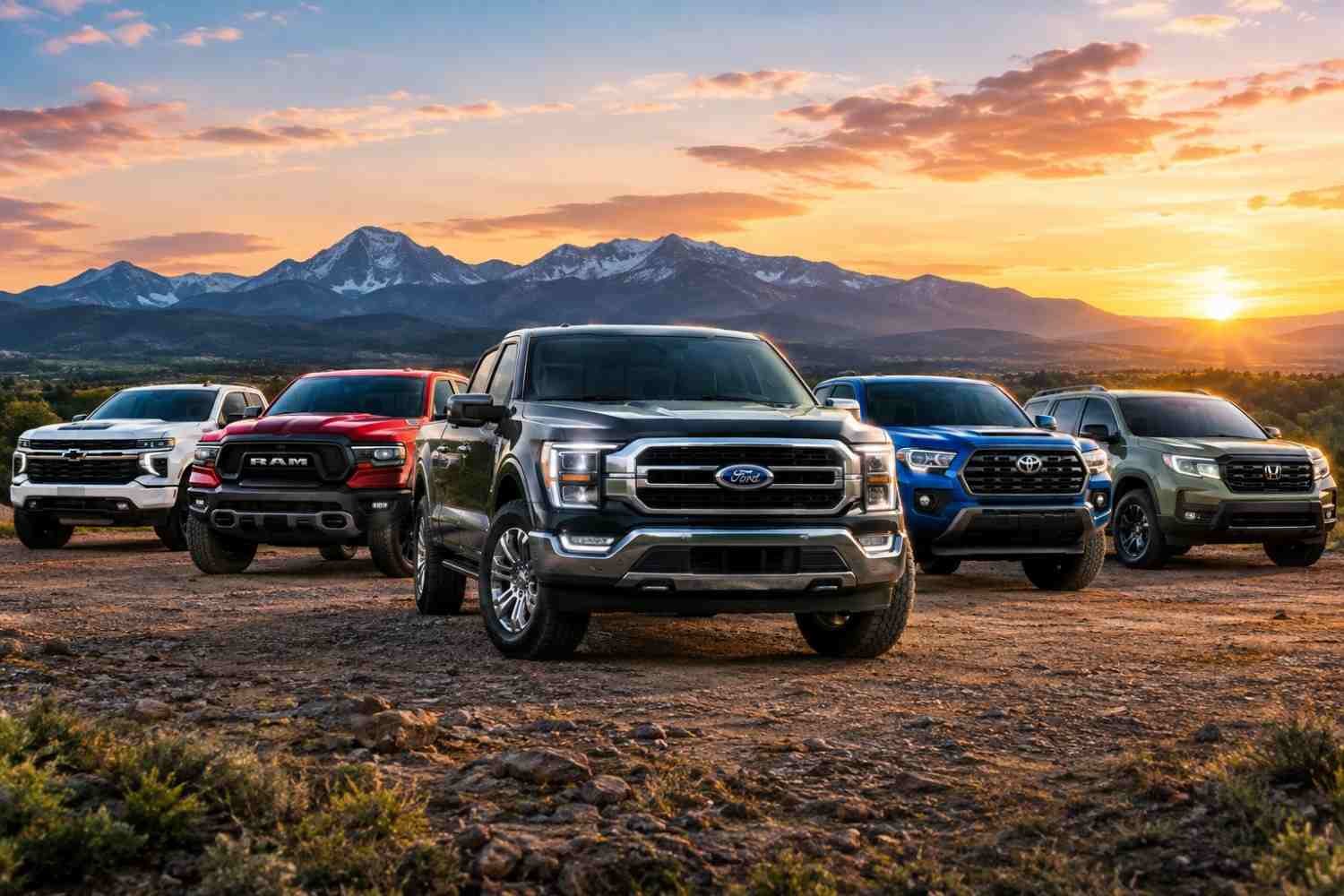
Pickup trucks remain a popular choice in the United States because they can handle a wide range of jobs. Some drivers need a dependable truck for towing a trailer or hauling work equipment, while others want a comfortable daily driver with enough room for family trips, outdoor adventures, and weekend projects.
The best pickup trucks in America in 2026 offer a mix of capability, comfort, technology, and practical features. However, not every truck is designed for the same purpose. A full-size pickup may be ideal for heavy work, while a midsize model can be easier to park and manage in everyday traffic. Compact pickups are also worth considering for drivers who want utility without the size of a traditional full-size truck.
Below, we look at some of the best pickup trucks available for the 2026 model year, what each model does well, and which type of driver should consider it.
Best Pickup Trucks in America in 2026 at a Glance
| Pickup Truck | Best For | Starting Price Guide |
|---|---|---|
| Ford F-150 | Best all-around full-size truck | Around $39,585 |
| Ram 1500 | Comfort and upscale interior | Around $44,820 |
| Chevrolet Silverado 1500 | Work and towing capability | Around $37,200 |
| Toyota Tundra | Buyers considering a full-size Toyota | Check current Toyota pricing |
| Toyota Tacoma | Midsize versatility and off-road use | Around $34,290 |
| Ford Ranger | Balanced midsize performance | Around $35,445 |
| Chevrolet Colorado | Midsize work and adventure use | Around $34,495 |
| Ford Maverick | Compact pickup value | Around $28,145 |
| Honda Ridgeline | Everyday comfort and practicality | Around $42,390 |
Prices are approximate starting-price references for 2026 models and can vary by trim, destination charges, options, dealer fees, and location. Verify the current price with the manufacturer before purchasing.
1. Ford F-150: Best Overall Pickup Truck for Many Buyers
The 2026 Ford F-150 is a strong starting point for buyers who want one truck that can handle different responsibilities. It offers a broad range of configurations, from work-focused models to premium trims and off-road versions.
This flexibility is one of the reasons the F-150 remains a major competitor in the American full-size pickup market. A contractor may prioritize payload and towing equipment, while a family buyer may care more about cabin space, driver-assistance features, and comfort on long drives.
Ford offers several engine choices, including EcoBoost V6 options, a 5.0-liter V8, and a PowerBoost full-hybrid powertrain. According to Ford, the maximum available towing capacity reaches 13,500 pounds when properly equipped. Actual capability depends on the engine, cab, drivetrain, axle configuration, and towing package.
Why consider the F-150?
- Multiple trims and powertrain options.
- Available features aimed at towing, hauling, and job-site use.
- Configurations ranging from practical work trucks to well-equipped daily drivers.
- Available hybrid technology for buyers interested in a different balance of power and fuel economy.
Best for: Drivers who need a versatile full-size truck for work, family use, recreation, or a combination of all three.
2. Ram 1500: Best Pickup for Comfort and Interior Quality
The 2026 Ram 1500 is worth a close look for buyers who spend many hours behind the wheel. Its appeal includes a comfortable cabin, available upscale materials, modern infotainment features, and a range of trims for different budgets and preferences.
For someone who uses a pickup as a daily vehicle, the driving experience matters just as much as the numbers on a towing chart. Seat comfort, road noise, storage space, and ease of using the controls can make a noticeable difference during a long commute or highway trip.
The Ram 1500 also offers configurations suited to practical work and recreational towing. Buyers should compare the capabilities of the exact engine and equipment package rather than assuming that every trim has the same ratings.
Premium versions can become expensive as options are added. Drivers who mainly need a basic work truck may prefer to compare lower trims from Ram, Ford, and Chevrolet before deciding.
Why consider the Ram 1500?
- Comfortable cabin and available premium features.
- Multiple configurations for personal and work use.
- A strong choice for drivers who value everyday refinement.
- Available performance and towing equipment for specific needs.
Best for: Buyers who want a full-size pickup that can work during the week and remain comfortable for everyday driving.
3. Chevrolet Silverado 1500: Best for Work and Towing Needs
The 2026 Chevrolet Silverado 1500 is another important option for buyers shopping for a full-size pickup. It offers different engine and trim combinations, giving drivers the flexibility to choose between practical work equipment and more comfort-oriented features.
For towing and hauling, the Silverado’s published maximum ratings are competitive. Chevrolet lists a maximum available trailering capacity of 13,300 pounds for the 2026 Silverado 1500, depending on configuration. The truck’s actual rating must be checked against the specific vehicle and its equipment.
Buyers should also consider payload. Towing capacity describes the weight a properly equipped truck can pull under specified conditions, while payload concerns the weight the truck can carry. Passengers, cargo, accessories, and trailer tongue weight all matter when calculating the load.
For a work truck, it is sensible to compare bed dimensions, tie-down points, cab configuration, storage, and the availability of the equipment needed for a particular job.
Why consider the Silverado 1500?
- A range of configurations for work and personal use.
- Available engines and packages designed for towing and hauling.
- Useful options for drivers who need a practical truck bed.
- A direct competitor to the Ford F-150 and Ram 1500.
Best for: Contractors, outdoor enthusiasts, and drivers who need a full-size truck with substantial available towing capability.
4. Toyota Tundra: A Full-Size Truck Worth Comparing
The 2026 Toyota Tundra gives buyers another option in the full-size segment. It is worth comparing for drivers who prefer Toyota’s truck lineup and want a vehicle suited to hauling, road trips, and everyday use.
The Tundra’s available powertrains and equipment vary by trim. Some versions emphasize everyday utility, while others focus on added comfort or off-road capability. Before choosing one, review the official towing and payload figures for the exact configuration you plan to buy.
Toyota truck buyers may also consider resale value and their experience with the brand. Nevertheless, no manufacturer is automatically the best choice for every owner. Purchase price, maintenance history, warranty coverage, expected use, and local service availability should all be part of the decision.
It is also useful to compare the Tundra directly with the Ford F-150, Chevrolet Silverado 1500, and Ram 1500. A short test drive can reveal differences in seating position, visibility, steering, and cabin comfort that specifications do not fully explain.
Why consider the Tundra?
- A full-size truck option from Toyota.
- Available trims for different driving preferences.
- Useful for buyers comparing American-market full-size pickups.
- A lineup that includes comfort, utility, and adventure-oriented choices.
Best for: Drivers interested in a full-size Toyota pickup who want to compare equipment, capability, ownership costs, and comfort before making a decision.
5. Toyota Tacoma: Best Midsize Pickup for Versatility
Not everyone needs a full-size truck. The 2026 Toyota Tacoma is a popular choice for buyers who want a midsize pickup with useful capability and a more manageable footprint.
The Tacoma comes in different trims and configurations, including versions designed with off-road driving in mind. That makes it relevant to drivers who enjoy camping, traveling on rough roads, or visiting outdoor destinations where a traditional passenger vehicle may be less suitable.
A midsize pickup can also be more practical for daily use in areas with tight parking spaces. Even so, drivers should test the truck in their usual environment because vehicle length, turning radius, cab size, and bed length all influence everyday usability.
Buyers should compare the Tacoma with alternatives such as the Ford Ranger and Chevrolet Colorado. Consider the actual features you will use instead of paying for specialized equipment that may rarely leave the driveway.
Why consider the Tacoma?
- Midsize dimensions that may suit everyday driving.
- Available off-road-focused trims.
- Different configurations for personal and recreational use.
- A practical alternative to a larger full-size pickup.
Best for: Drivers who want a midsize truck for everyday travel, outdoor activities, and occasional hauling.
6. Ford Ranger: Best Midsize Pickup for Everyday Use and Adventure
The 2026 Ford Ranger deserves attention from shoppers who want more capability than a compact pickup but do not necessarily need a full-size truck.
Its available configurations give buyers different ways to balance everyday driving, towing, cargo needs, and off-road performance. The Ranger Raptor is a more specialized choice for buyers interested in high-performance off-road driving, whereas regular Ranger trims may make more sense for a broader range of daily tasks.
Before buying, compare cab space and bed size carefully. A midsize truck can be a good compromise, but its interior and cargo dimensions are different from those of a full-size model.
Towing figures also vary by configuration. Check the vehicle’s specific rating, available hitch equipment, payload limits, and the requirements of the trailer you plan to pull.
Why consider the Ranger?
- A useful middle ground between compact and full-size trucks.
- Different versions for regular driving and more demanding off-road use.
- Available towing and hauling capability.
- A size that may be easier to manage than a large pickup.
Best for: Drivers looking for a midsize truck that can commute during the week and support outdoor trips on weekends.
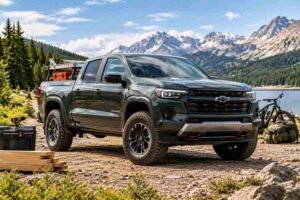
7. Chevrolet Colorado: Best Midsize Truck for Work and Outdoor Activities
The 2026 Chevrolet Colorado is another option for drivers who want a capable truck without moving up to the full-size category. It offers a choice of trims and equipment intended for different uses, including work duties and off-road adventures.
Its appeal depends partly on how you plan to use the truck. Someone who regularly carries tools may prioritize bed access, storage, payload, and protection from wear. An outdoor enthusiast may prefer different tires, underbody protection, or other equipment suited to the terrain they encounter.
As with the Ranger and Tacoma, buyers should check the full specifications before towing. Maximum towing figures are not the same as the payload rating, and neither figure should be used without accounting for passengers, cargo, and other equipment.
Comparing the Colorado and Tacoma in person can be especially useful because their cabin layouts, controls, visibility, and available features may influence which one feels more suitable.
Why consider the Colorado?
- A midsize platform for work and personal use.
- Available trims suited to different driving environments.
- A practical size for buyers who do not need a full-size truck.
- An alternative worth comparing with the Tacoma and Ranger.
Best for: Drivers who need a midsize pickup for hauling equipment, weekend projects, or outdoor recreation.
8. Ford Maverick: Best Compact Pickup for Budget-Conscious Buyers
The 2026 Ford Maverick is a different type of pickup. Its compact dimensions and available hybrid powertrain make it attractive to drivers who want a useful open bed without owning a much larger truck.
For everyday errands, home projects, garden supplies, and smaller loads, a compact pickup can offer the flexibility many drivers need. It may also be easier to park and maneuver in crowded neighborhoods than a full-size model.
Ford lists a starting MSRP of approximately $28,145 for the 2026 Maverick, although the price varies with trim and equipment. The hybrid powertrain is a major reason to consider it if fuel economy matters. Ford also lists a maximum available towing capacity of 4,000 pounds for properly equipped versions; not every Maverick configuration can tow that amount.
A compact pickup is not the right solution for every job. Before buying, confirm that the bed, payload, and towing ratings match your intended use.
Why consider the Maverick?
- Compact size for daily driving.
- An available hybrid powertrain.
- A starting price below many midsize and full-size pickups.
- Useful cargo-bed flexibility for everyday projects.
Best for: First-time truck buyers, commuters, and households that need pickup utility without the size of a traditional full-size model.
9. Honda Ridgeline: Best for Drivers Who Prioritize Daily Comfort
The 2026 Honda Ridgeline takes a different approach to pickup design. Its appeal centers on everyday comfort, a practical cabin, and useful cargo features rather than competing directly with heavy-duty trucks.
For drivers who mostly commute, carry household supplies, visit home-improvement stores, and take occasional road trips, this approach may be appealing. A smooth and composed ride can matter more to these owners than maximum towing numbers or a specialized off-road package.
The Ridgeline’s available equipment and capabilities should still be checked against the tasks you need it to perform. It is not a substitute for a heavy-duty pickup when a job requires the higher towing or payload capacities offered by larger trucks.
Compare it with the Tacoma and Ranger if you’re shopping for a midsize pickup. Take time to consider bed utility, passenger space, ride quality, and the type of cargo you expect to carry.
Why consider the Ridgeline?
- Everyday comfort and practical cabin space.
- Useful pickup-bed features for general household needs.
- A sensible choice for drivers who do not need a specialized work truck.
- An alternative for shoppers prioritizing daily usability.
Best for: Drivers who want pickup-bed convenience while spending much of their time commuting or traveling on paved roads.
How to Choose the Best Pickup Truck in 2026
The best pickup truck depends on your budget, daily routine, and intended workload. Rather than choosing a truck based on its appearance or maximum advertised towing capacity, consider these factors.
Decide How Much Truck You Actually Need
Start with your regular tasks. Carrying lawn equipment, furniture, and home supplies may not require a full-size truck. Towing a large travel trailer or carrying heavy work equipment may demand more capability.
Buying more truck than you need can increase the purchase price, fuel expenses, and the cost of certain parts or services. However, choosing a truck that is too small for your regular workload may create its own limitations.
Check Towing and Payload Separately
Towing and payload are different measurements. A pickup might advertise a high maximum towing rating but have a much lower payload capacity in a particular configuration.
Check the owner’s manual, door-jamb information, and manufacturer specifications for the exact vehicle. Account for passengers, cargo, accessories, trailer tongue weight, and any other load. Never rely solely on a model’s headline maximum rating.
Think About Fuel Economy
Fuel costs can make a noticeable difference if you drive long distances every week. Compact pickups and available hybrid powertrains may help some owners reduce fuel consumption, depending on the vehicle and driving conditions.
Compare EPA fuel-economy estimates for the exact engine and drivetrain. Real-world results vary with speed, traffic, weather, payload, tires, towing, and driving style.
Compare the Total Ownership Cost
The sticker price is only one part of owning a pickup. Insurance, financing, registration, fuel, routine service, tires, repairs, and depreciation can affect your overall budget.
Before settling on a model, obtain insurance quotes, compare financing offers, and review the maintenance schedule. If you plan to keep the truck for many years, consider how your needs may change over time.
Check Safety Equipment and Ratings
Available safety features can include automatic emergency braking, blind-spot monitoring, lane-departure alerts, and rear cross-traffic alerts. Availability varies by model and trim.
Check the latest ratings from the Insurance Institute for Highway Safety (IIHS) and the National Highway Traffic Safety Administration (NHTSA). Do not assume that a truck’s size automatically makes it safer in every type of collision.
Take a Test Drive
Specifications cannot tell you everything about a truck. Test-drive the actual configuration you are considering and pay attention to visibility, seat comfort, steering, braking, cabin noise, and ease of parking.
If you regularly tow a trailer or carry equipment, ask the dealer to explain the relevant ratings and required packages before making a purchase.
Frequently Asked Questions About Pickup Trucks in 2026
What is the best pickup truck in America in 2026?
The Ford F-150 is a strong all-around choice because of its broad range of configurations, available powertrains, and work-oriented features. However, the Ram 1500 may appeal more to drivers who prioritize comfort, while the Toyota Tacoma suits buyers looking for a midsize truck. The best choice depends on individual needs.
Which 2026 pickup truck is best for towing?
The Ford F-150 and Chevrolet Silverado 1500 both offer high maximum available towing ratings. Ford lists up to 13,500 pounds for a properly equipped F-150, while Chevrolet lists up to 13,300 pounds for the Silverado 1500. These figures apply only to specified configurations, so check the exact vehicle’s ratings before towing.
What is a good pickup truck for daily driving?
The Ford Maverick is worth considering if you prefer a compact truck, while the Toyota Tacoma, Ford Ranger, and Honda Ridgeline are alternatives in or near the midsize category. Drivers who need more cabin or bed space may prefer a full-size pickup.
Are midsize pickups better than full-size trucks?
Neither category is universally better. Midsize pickups may be easier to maneuver and park, while full-size trucks generally offer more room and a wider range of heavy-duty towing and hauling configurations. Choose based on your actual requirements.
Are hybrid pickup trucks worth considering?
A hybrid pickup may be worth considering if fuel economy and everyday usability are priorities. Compare the purchase price, EPA estimates, available towing ratings, and how much you drive. A hybrid is not automatically the cheapest option for every owner.
Final Thoughts
The best pickup trucks in America in 2026 cover a wide range of needs. The Ford F-150 stands out as a versatile full-size option, the Ram 1500 emphasizes comfort, and the Chevrolet Silverado 1500 offers configurations suited to demanding work. For midsize shoppers, the Toyota Tacoma, Ford Ranger, and Chevrolet Colorado deserve consideration. Drivers who want a smaller truck can look at the Ford Maverick, while the Honda Ridgeline offers a comfort-focused alternative.
Before choosing a truck, compare the exact trim, towing and payload ratings, fuel economy, safety equipment, and total ownership costs. A careful comparison can help you choose a pickup that fits your budget and the way you drive.
If you buy a pickup truck in another state or need to move it over a long distance, NG Auto Haulers LLC provides information about car shipping and vehicle transport services across the United States.