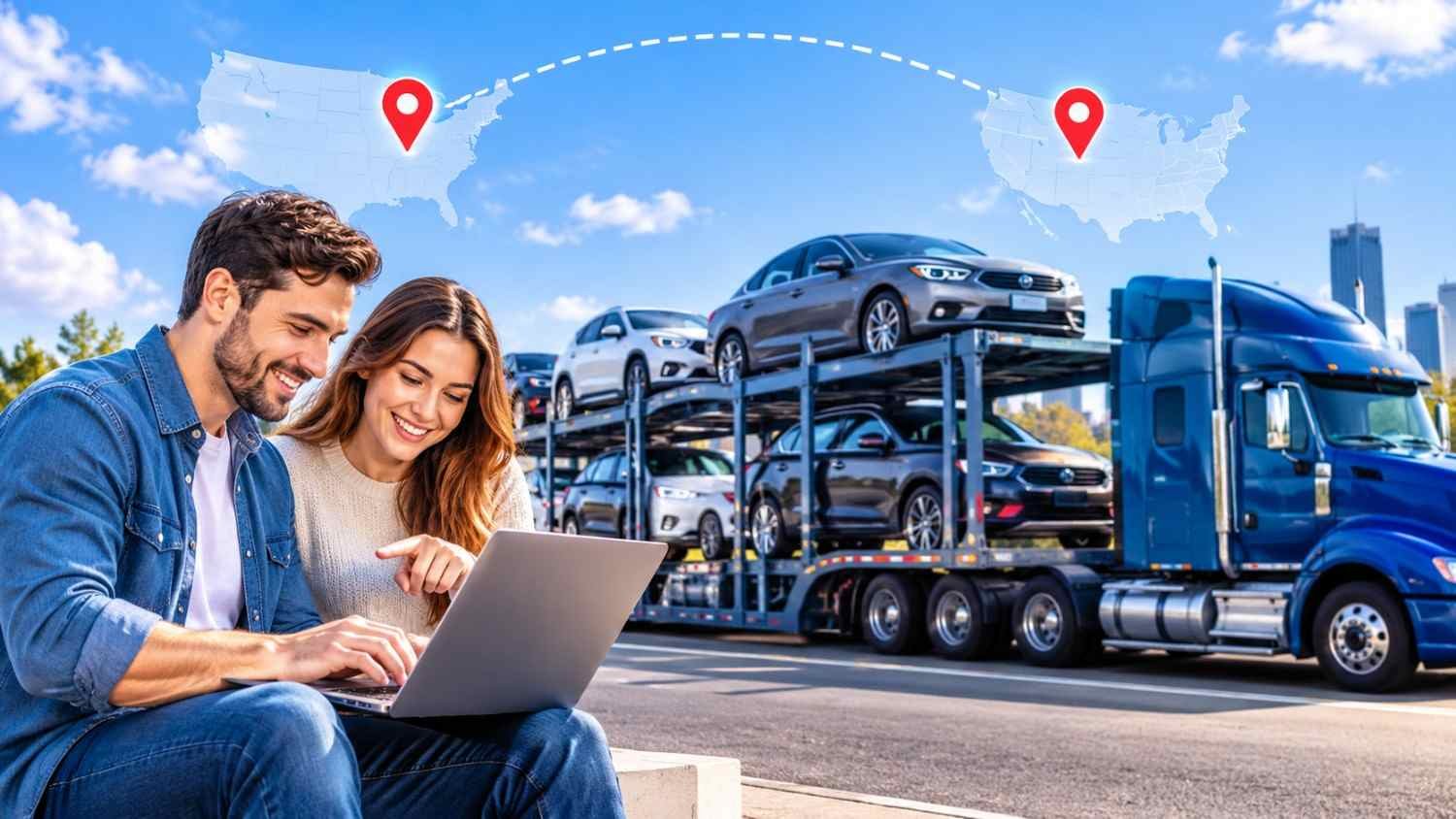
Buying a car online gives you access to vehicles from dealerships, private sellers, and online marketplaces across the United States. You might find the exact model, color, mileage, and features you want hundreds or even thousands of miles away. But after completing the purchase, one important question remains: how do you get your new vehicle home?
Driving it yourself is not always practical. Taking time off work, arranging flights, paying for fuel, and covering overnight stays can make a long-distance trip difficult. Hiring a professional auto transport company is another option that allows you to have your vehicle delivered without making the journey yourself.
If you are wondering how to ship a car you bought online, this guide explains the process, what information you need, how to coordinate with the seller, and what to check before your vehicle is picked up and delivered.
1. Confirm the Vehicle Purchase Before Arranging Shipping
Before booking transportation, make sure the purchase is complete and the seller is ready to release the vehicle.
Start by confirming the following details:
- The vehicle’s purchase agreement or bill of sale
- The seller’s contact information
- The vehicle identification number (VIN)
- The vehicle’s year, make, and model
- Whether the vehicle has a clear title or any outstanding lien
- Whether the vehicle is ready for pickup
- Any documents or authorization the seller requires before releasing it
If you are buying from a dealership, ask whether the dealership allows third-party carriers to collect vehicles. Some dealers have specific pickup hours, release procedures, or authorization forms.
For a private-party purchase, coordinate directly with the seller. Make sure the seller understands that a professional transport driver will be collecting the vehicle on your behalf.
Important: Vehicle transportation and vehicle ownership paperwork are two separate matters. Confirm title transfer, registration, and insurance requirements with the seller and the motor vehicle agency in your destination state.
2. Verify the Seller and Inspect the Vehicle
Buying a vehicle online means you may not have the opportunity to inspect it in person before completing the purchase. It is worth doing some additional checks before arranging delivery.
Request recent photographs of the actual vehicle, including:
- Front, rear, and both sides
- Interior and dashboard
- Odometer reading
- Tires and wheels
- Any visible scratches, dents, or other damage
- VIN plate or VIN information
For a used vehicle, consider purchasing a vehicle history report and arranging an independent inspection by a qualified mechanic. This can help identify concerns that may not be obvious from listing photographs.
You can also check the VIN through the National Highway Traffic Safety Administration (NHTSA) recall lookup to see whether an unrepaired safety recall is reported for that vehicle.
Be cautious of suspicious sellers or websites. The Federal Trade Commission has warned about scammers impersonating legitimate dealerships through copied websites and vehicle listings. Verify the dealership’s contact details independently, and be careful when someone insists on unusual payment arrangements.
Taking these steps before shipping can help prevent misunderstandings after the vehicle arrives.
3. Choose a Reliable Car Shipping Company
Once the purchase is confirmed, the next step is finding an auto transport company that can arrange transportation from the seller’s location to your address.
Do not select a company based on price alone. Look at its business information, communication, written terms, and transportation arrangements.
Here are a few things to check:
Registration and business details: For interstate vehicle transportation, verify the relevant broker or carrier registration. The Federal Motor Carrier Safety Administration (FMCSA) provides information about auto transporters and brokers in its consumer advisory.
Broker or carrier status: A carrier physically transports vehicles using its trucks. A broker arranges transportation with an authorized carrier. Understand which service you are hiring and who will handle the vehicle.
Written quote: Ask for a written quote that explains the transportation arrangement, estimated pickup window, payment terms, and any additional charges that could apply.
Insurance information: Ask which carrier will handle the shipment and request information about its cargo insurance and claims procedures. Review the applicable terms rather than assuming every policy covers every type of damage.
Communication: A dependable company should explain the process, answer questions, and keep you informed about pickup and delivery arrangements.
4. Get a Car Shipping Quote With the Correct Information
To receive an accurate car shipping quote, provide complete information about the vehicle and the route.
Most auto transport companies will need:
| Information | Why it matters |
|---|---|
| Pickup ZIP code | Identifies the seller’s location |
| Delivery ZIP code | Establishes the destination |
| Vehicle year, make, and model | Helps determine vehicle size and transport requirements |
| Running condition | Indicates whether the vehicle can be driven onto the carrier |
| Preferred pickup date | Helps with scheduling |
| Transport type | Determines whether open or enclosed shipping is requested |
| Contact information | Allows pickup and delivery coordination |
For example, imagine purchasing a used SUV from a dealership in Texas while living in Illinois. You can provide the dealership’s ZIP code, your delivery ZIP code, and the SUV’s details when requesting a quote.
The price may depend on the route, distance, vehicle size, operating condition, transport type, seasonal demand, and available carrier space.
Avoid accepting a quote without understanding its terms. Ask whether the price is an estimate or a confirmed transportation rate, what services it includes, and whether any circumstances could change the final amount.
You can request a car shipping quote from NG Auto Haulers to discuss your transportation requirements.

5. Coordinate Vehicle Pickup With the Seller
One of the most important parts of shipping a car purchased online is arranging pickup with the person or dealership currently holding the vehicle.
Your transport company will need accurate pickup information. Make sure the seller knows the expected pickup window and understands what the driver needs to do.
Before pickup, confirm:
- The seller’s full pickup address and contact number
- The dealership’s or seller’s operating hours
- Whether the driver needs a gate pass or release authorization
- Who will hand over the keys
- Whether the vehicle is accessible to a large transport truck
- Whether the vehicle is running and can be driven onto the carrier
If the dealership is located in a restricted parking area or a narrow commercial lot, an alternative meeting location may be necessary. Large auto transport carriers cannot always access every residential street or property.
For this reason, confirm the pickup location with both the seller and the transport company before the scheduled collection.
6. Decide Between Open and Enclosed Car Shipping
Most customers choose between open and enclosed auto transport. The right option depends on the vehicle’s value, condition, and protection requirements.
Open Car Transport
Open transport is a common option for standard cars, sedans, SUVs, and pickup trucks. Vehicles are secured on an open carrier and transported along with other vehicles.
It is worth considering when:
- You purchased a regular daily-use vehicle.
- You want a widely available transportation option.
- You are looking for a practical way to move a vehicle across state lines.
Your vehicle will be exposed to normal outdoor weather and road conditions during transportation.
Enclosed Car Transport
Enclosed transport moves vehicles inside a covered trailer, providing additional protection from outside exposure.
It may be suitable for:
- Classic cars
- Luxury vehicles
- Collector vehicles
- High-value sports cars
- Vehicles with special protection requirements
Enclosed shipping is generally more specialized and may cost more than open transportation.
Before choosing, compare the available options and discuss your vehicle’s requirements with the transport company. You can learn more about enclosed car transport.
7. Prepare the Vehicle for Carrier Pickup
Even if you purchased the vehicle online and have never driven it, a few preparation steps can make the pickup process easier.
Ask the seller to:
- Remove personal belongings and loose items from the vehicle.
- Secure removable accessories that could become loose during transportation.
- Leave the keys available for the authorized driver.
- Make sure the vehicle is accessible at the agreed pickup location.
- Inform the transport company about mechanical problems, warning lights, or other known issues.
- Provide any required release authorization.
If the vehicle does not run, tell the transport company before booking. A non-running vehicle may require special loading equipment, and not every carrier can accommodate it.
Do not assume that a vehicle can be transported without additional arrangements simply because it is small or has already been purchased.
8. Inspect the Vehicle at Pickup and Delivery
Vehicle condition documentation is an important part of the transportation process.
At pickup, the driver should record the vehicle’s visible condition on the applicable inspection report or bill of lading. Existing scratches, dents, paint damage, and other visible issues should be documented accurately.
Ask the seller or their representative to be available for the inspection. Take your own photographs when possible, particularly of the vehicle’s exterior, wheels, and any existing damage.
When the vehicle reaches your destination:
- Inspect the exterior before accepting delivery.
- Compare its condition with the pickup photographs and inspection record.
- Check for new visible damage.
- Review the delivery paperwork carefully.
- Document any concerns and report them promptly through the carrier’s applicable claims process.
Do not sign paperwork stating that the vehicle arrived in good condition if you have identified damage that has not been documented. Follow the carrier’s instructions for recording and reporting any issue.
How Long Does It Take to Ship a Car Purchased Online?
The delivery time depends on the distance between the seller and buyer, the selected route, carrier availability, pickup scheduling, weather, and other transportation conditions.
For example, shipping a vehicle between neighboring states may take less time than arranging transportation across the country.
Your pickup date and delivery estimate should be discussed before booking. Keep in mind that a pickup window is not always the same as a guaranteed collection date.
If the dealership has a deadline for releasing the vehicle, mention it when requesting your quote. Booking in advance and remaining flexible with pickup dates can make scheduling easier.
Common Mistakes to Avoid When Shipping a Car Bought Online
A few avoidable mistakes can create unnecessary delays or confusion.
Booking before the seller confirms release: Your car may be paid for, but the dealership might still need to complete paperwork or prepare the vehicle.
Providing the wrong pickup address: A dealership may have several locations or a separate vehicle storage facility. Confirm the exact collection point.
Not disclosing the vehicle’s condition: A non-running car or a vehicle with special loading requirements needs to be identified before booking.
Choosing only the lowest quote: A low initial price does not necessarily mean the transportation terms, carrier availability, and service details are suitable.
Forgetting the pickup inspection: Photographs and accurate condition documentation can help resolve disagreements about pre-existing or newly identified damage.
Waiting until the last minute: Short-notice transportation may limit available scheduling options, especially during busy periods.
Frequently Asked Questions
Can I ship a car directly from a dealership to my home?
Yes. You can arrange auto transport from a dealership to your home or another suitable delivery location. The dealership must approve the release and coordinate with the pickup driver.
Can I ship a car I bought from a private seller?
Yes. A private seller can release the vehicle to an authorized transport driver once the purchase and pickup arrangements are complete. Make sure the seller has the correct contact and driver information.
Do I need to be present when my online car purchase is picked up?
Not necessarily. The seller, dealership representative, or another authorized person can usually coordinate pickup. Someone should be available to provide access, hand over the keys, and complete the required inspection paperwork.
Can I ship a car that is not running?
Many non-running vehicles can be transported, but they may require special loading equipment. Tell the transport company about the vehicle’s condition when requesting a quote.
Is open transport safe for a newly purchased used car?
Open transport is commonly used for standard vehicles. However, the appropriate option depends on the vehicle’s condition, value, and protection requirements. Discuss open and enclosed options before booking.
What information do I need to get a car shipping quote?
You will generally need the pickup and delivery ZIP codes, vehicle year, make and model, running condition, preferred pickup date, and transport preference.
Arrange Your Online Car Purchase Delivery With NG Auto Haulers
Finding the right vehicle online is only the first part of buying a car from another state. You also need a dependable transportation arrangement that fits your route, vehicle, and schedule.
NG Auto Haulers LLC offers vehicle transportation options for customers arranging interstate car shipping. Whether you purchased a sedan, SUV, pickup truck, or another vehicle from a distant dealership or private seller, planning the pickup and delivery details in advance can help make the process more straightforward.
Explore our vehicle transport services or request a car shipping quote to discuss your route and transportation needs.