
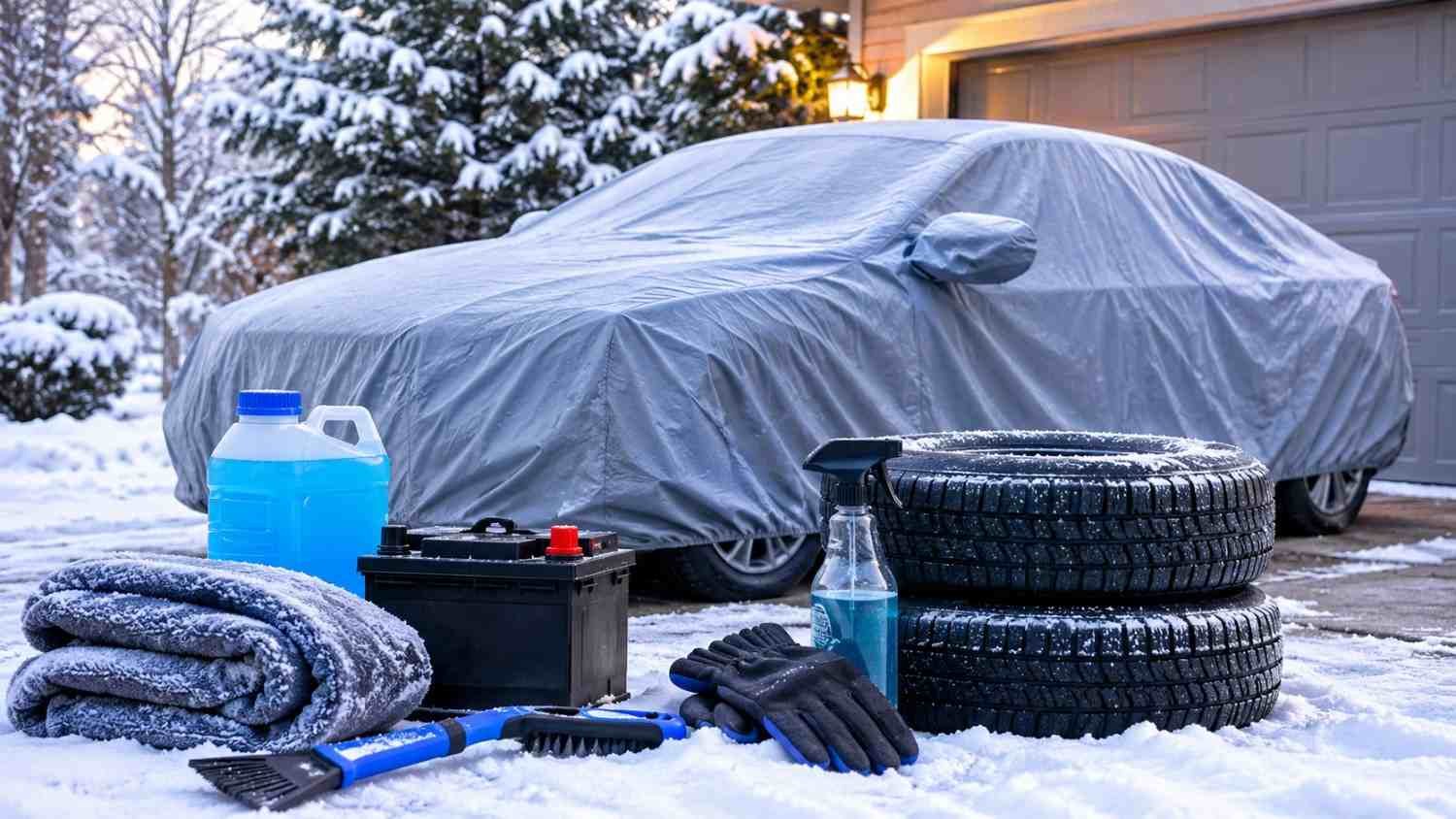
When winter arrives, many drivers across the United States put their vehicles away for several weeks or even several months. Some people store a classic car during the colder season, while others leave a second vehicle at home when traveling south for the winter. Whatever the reason, parking a car and leaving it untouched is not always enough to protect it.
Cold temperatures, moisture, fuel deterioration, battery drain, and tire pressure changes can all create problems while a vehicle sits unused. A car that was running perfectly before storage may have trouble starting or developing mechanical issues when spring arrives.
The good news is that most storage-related problems can be reduced with a little preparation. Taking care of a few important tasks before parking your vehicle can help protect its exterior, interior, battery, tires, and mechanical components.
This guide explains how to prepare your car for winter storage in 2026, whether you plan to keep it in a garage, a dedicated storage facility, or a protected outdoor space.
1. Choose the Right Location for Winter Car Storage
Where you store your vehicle can make a significant difference in how well it holds up during the winter months.
An enclosed garage or a dedicated vehicle storage facility is generally a better choice than leaving your car outside. Indoor storage helps protect the vehicle from snow, freezing rain, road salt, falling branches, and repeated temperature changes. A dry, well-ventilated space is especially useful because trapped moisture can contribute to corrosion, mildew, and unpleasant odors.
Before choosing a storage location, consider the following:
-
Indoor garage: A clean, dry garage offers protection from direct exposure to winter weather.
-
Climate-controlled storage: This can be useful for classic cars, collectibles, and vehicles with sensitive interiors or finishes.
-
Outdoor storage: When indoor space is not available, choose a secure location with good drainage and use a cover designed for outdoor vehicle storage.
Avoid parking over wet ground or in a location where water regularly collects. If you are using a garage, make sure the space has adequate ventilation and that there are no obvious signs of leaks or persistent dampness.
For vehicles that will remain unused for several months, a suitable storage environment is one of the most important parts of preparation.
2. Wash and Clean Your Car Before Putting It Away
It might seem unnecessary to wash a car that will not be driven during the winter, but cleaning it before storage is an important step.
Dirt, bird droppings, tree sap, road salt, and other contaminants can remain on the paint for weeks or months. If left untreated, some of these materials may damage the finish. Salt and grime underneath the vehicle can also contribute to corrosion, particularly on cars previously driven in areas that use road salt during winter.
Before storing your vehicle:
-
Wash the exterior thoroughly.
-
Pay attention to the wheel wells and undercarriage.
-
Remove bird droppings, tree sap, and stubborn dirt.
-
Dry the vehicle completely, including door edges and other areas where water collects.
-
Apply a quality coat of automotive wax or paint protection if appropriate.
Do not forget the interior. Remove food wrappers, drinks, crumbs, and anything else that could attract insects or rodents. Vacuum the carpets, seats, and floor mats, and make sure the cabin is dry before closing the doors.
If you regularly drive your car in snowy states, cleaning the undercarriage is especially worthwhile. Salt and moisture can remain around suspension components, brake lines, and other exposed areas.
3. Protect the Car Battery During Long-Term Storage
A discharged battery is one of the most common problems drivers discover when they return to a stored vehicle.
Even when the engine is switched off, many modern vehicles continue using a small amount of electrical power. Security systems, keyless entry, onboard computers, and other electronics can gradually drain the battery. Cold temperatures can make an already weak or discharged battery more difficult to recover.
Before storage, have the battery tested if it is old or showing signs of weakness. Clean any corrosion around the terminals and check that the connections are secure.
You generally have two options for protecting the battery:
Use a battery maintainer: A quality battery maintainer designed for your vehicle’s battery type can keep the battery charged during extended storage. Follow the device instructions and make sure the electrical outlet and charging setup are suitable for the storage location.
Disconnect the battery: Disconnecting the negative terminal may reduce electrical drain, but this is not suitable for every vehicle. Some cars can lose saved settings or require electronic systems to be reset after the battery is reconnected.
Modern vehicles may also have specific battery-management requirements. Check the owner’s manual before disconnecting anything, particularly on hybrid and electric vehicles.
For a deeper explanation of how low temperatures affect starting power, see our related guide: Why Are Car Batteries Dying Faster in Cold Weather?.
4. Check the Tires Before Parking Your Vehicle
Tires can lose pressure gradually while a car is sitting in one place. Cold temperatures can also lower tire pressure, so a vehicle that was properly inflated in the fall may have underinflated tires by the time spring arrives.
Long periods without movement can also contribute to flat spots, particularly when tires are underinflated or the vehicle is relatively heavy.
Start by checking all four tires when they are cold. Use the recommended pressure listed on the driver’s door-jamb label or in your owner’s manual, rather than relying on the maximum pressure printed on the tire sidewall.
For extended storage, consider these precautions:
-
Inspect each tire for cuts, cracks, bulges, or uneven wear.
-
Inflate the tires to the vehicle manufacturer’s recommended pressure.
-
Check the pressure periodically if the vehicle will remain stored for several months.
-
Move the vehicle occasionally when practical and safe, following the storage facility’s rules.
-
Consider purpose-made tire cradles or professional storage equipment for long-term storage.
Some vehicle manufacturers provide special tire-pressure instructions for extended storage. Follow those instructions rather than applying a generic pressure increase.
5. Prepare the Fuel System Before Storage
Gasoline does not remain fresh indefinitely. During extended storage, fuel can deteriorate, and moisture-related problems may develop in the fuel system.
For a gasoline-powered car that will be stored for several months, filling the tank and using a compatible fuel stabilizer may help reduce fuel-related problems. Follow the stabilizer manufacturer’s instructions and your vehicle’s owner’s manual.
A sensible preparation process includes:
-
Use fresh fuel before putting the vehicle away.
-
Add a fuel stabilizer approved for the type of gasoline in your vehicle.
-
Follow the product’s directions for the correct amount.
-
Run the engine as directed by the product manufacturer so the treated fuel circulates through the system.
-
Park the vehicle in the approved storage location.
Do not assume the same approach applies to every vehicle. Diesel vehicles, hybrids, plug-in hybrids, and electric vehicles have different storage considerations. Check the manufacturer’s guidance before adding any fuel-system product.
Fuel storage requirements can also vary depending on the expected storage period and local fire-safety rules. Never store gasoline in loose containers inside a vehicle or an unsuitable storage area.
6. Check the Engine Oil and Other Important Fluids
Oil and other fluids play an important role in protecting a vehicle’s mechanical components. Before storing your car, check whether routine maintenance is due.
Used engine oil can contain contaminants from normal operation. When a vehicle is going to remain unused for an extended period, changing overdue oil and the oil filter before storage is a sensible precaution.
You should also inspect the following:
Engine coolant: Make sure the cooling system contains the correct coolant for your vehicle and the expected winter temperatures. Do not guess the mixture or use an incompatible product.
Brake fluid: Check the level and look for signs of leakage. Brake fluid should be serviced according to the manufacturer’s maintenance schedule.
Transmission fluid: Check it only using the procedure specified in your owner’s manual. Some vehicles require particular operating temperatures or inspection methods.
Windshield washer fluid: Use a winter-rated washer fluid suitable for the temperatures in your area if the vehicle may be exposed to freezing conditions.
Look for visible leaks underneath the vehicle before putting it away. A fluid level that drops during storage may indicate a problem that needs attention before the next drive.

7. Protect the Interior from Moisture and Unwanted Pests
A vehicle’s interior can develop problems even when the exterior is protected. Moisture trapped inside the cabin can encourage mildew, while food and debris can attract insects and rodents.
Before closing the car for winter, remove all food, drinks, damp clothing, and unnecessary personal items. Make sure the carpets and seats are completely dry.
For additional protection, you can:
-
Use moisture-absorbing products intended for vehicle interiors.
-
Check the trunk, under the seats, and around floor mats for dampness.
-
Make sure the doors and windows close properly.
-
Avoid leaving food, paper bags, or other materials that could attract pests.
-
Inspect the garage or storage space for signs of rodent activity.
Rodents can damage wiring, insulation, and other components. Keep the storage area clean and remove items around the vehicle that could provide nesting material.
If you use removable mesh or another barrier to protect an air intake or exhaust opening from pests, attach a clear reminder to the steering wheel. Every barrier must be removed before starting the engine. Never start a vehicle with its exhaust outlet blocked.
8. Use a Suitable Car Cover
A car cover can help protect the paint from dust, dirt, and minor contact while the vehicle is stored. However, choosing the wrong cover may cause more problems than it prevents.
For indoor storage, select a soft, breathable cover designed to fit your vehicle. It should help keep dust away without trapping moisture against the paint.
For outdoor storage, use a cover specifically rated for outdoor conditions. It should provide protection against rain, snow, and other weather while allowing moisture to escape as intended by its design.
Before covering your car:
-
Make sure the body is clean and completely dry.
-
Check the inside of the cover for dirt or debris.
-
Choose the correct size for your vehicle.
-
Secure it according to the manufacturer’s instructions.
-
Inspect the vehicle and cover periodically during storage.
Avoid placing a rough or dirty cover directly over the paint. Movement caused by wind can rub trapped particles against the surface and leave scratches.
9. Should You Start Your Car During Winter Storage?
Many drivers believe they should start their vehicle every few weeks while it is parked for the winter. However, briefly starting the engine and letting it idle is not always beneficial.
A short idle may not bring every part of the engine and exhaust system up to its normal operating temperature. It may also fail to recharge a battery that has been losing power during storage.
For a vehicle kept in a garage, there is another important concern: exhaust fumes contain carbon monoxide, a poisonous gas that can be fatal. Never run a vehicle in an enclosed or poorly ventilated space.
For most stored vehicles, a suitable battery maintainer and proper preparation are preferable to frequent short starts. If the manufacturer’s storage instructions recommend periodically operating the vehicle, follow the specified procedure and do so outdoors in a safe location.
Do not start or move a stored vehicle simply because a certain number of weeks has passed. The correct approach depends on the vehicle, storage period, and manufacturer recommendations.
10. Take Extra Precautions for Hybrid and Electric Vehicles
Hybrid and electric vehicles require additional attention because they have high-voltage battery systems and specific storage procedures.
Their battery-management systems may continue using power while the vehicle is parked. The appropriate charge level and storage conditions vary between manufacturers and models.
Before storing a hybrid or electric vehicle:
-
Read the owner’s manual for long-term storage instructions.
-
Check the recommended high-voltage battery charge level.
-
Follow the manufacturer’s advice about leaving the vehicle plugged in or unplugged.
-
Pay attention to any instructions for maintaining the smaller 12-volt battery.
-
Use only an approved charging setup and avoid unsuitable extension cords.
-
Check the vehicle’s storage guidance before leaving it unused for several months.
Do not apply gasoline-car storage advice directly to an EV. For example, an electric vehicle does not need a fuel stabilizer, and its high-voltage battery should not be disconnected by an owner unless the manufacturer specifically instructs them to do so.
11. What to Check Before Driving Your Car Again in Spring
When winter ends, resist the temptation to turn the key or press the start button and immediately drive away. A vehicle that has been sitting for several months deserves a careful inspection first.
Start with a walk-around inspection. Look for leaks, damaged wiring, signs of rodents, and any visible damage to the exterior.
Then work through this checklist:
| Component | What to check |
|---|---|
| Tires | Pressure, tread, cracks, and visible flat spots |
| Battery | Charge level, terminals, and warning lights |
| Engine oil | Correct level and signs of leakage |
| Coolant | Level, condition, and visible leaks |
| Brakes | Pedal feel, unusual noises, and signs of corrosion |
| Lights | Headlights, brake lights, and turn signals |
| Wipers | Blade condition and washer fluid |
| Interior | Moisture, odors, and signs of pests |
| Engine bay | Hoses, belts, wiring, and any visible damage |
If you used a battery maintainer, disconnect it according to its instructions. Remove any covers, intake barriers, or exhaust reminders that were installed before storage.
Pay attention to the brakes during the first drive. Surface rust can sometimes appear on brake rotors after a vehicle sits unused, but unusual grinding, pulling, vibration, or poor braking should be inspected by a qualified technician.
For a car that has been stored for several months, a professional inspection before regular driving is a sensible choice.
Winter Car Storage Checklist for 2026
Before putting your vehicle away, use this quick checklist to make sure the important tasks are covered.
Not every step applies to every vehicle. The length of storage, the type of powertrain, and the local climate should determine which precautions are necessary.
Frequently Asked Questions About Winter Car Storage
How long can a car sit without being driven in winter?
There is no single time limit that applies to every vehicle. A car may sit for several weeks without a serious issue, but longer storage increases the importance of battery maintenance, tire checks, fuel preparation, and protection from moisture. Follow the manufacturer’s long-term storage guidance when the vehicle will remain unused for months.
Should I disconnect my car battery for winter storage?
Disconnecting the battery can reduce electrical drain, but it may also reset vehicle settings or affect electronic systems. A compatible battery maintainer is often a convenient alternative. Check your owner’s manual before choosing either method.
Should I leave my gas tank full during winter storage?
For many gasoline-powered vehicles stored for several months, a full tank combined with a suitable fuel stabilizer is a common precaution. Always follow the vehicle manufacturer’s recommendations and the fuel stabilizer’s instructions.
Is indoor storage better than outdoor storage?
Indoor storage generally provides better protection from snow, rain, sunlight, and other environmental exposure. A dry, ventilated garage or storage facility is a good option. Outdoor storage can also work when the location is secure and the vehicle has suitable weather protection.
Can I leave my car covered for the entire winter?
Yes, provided the cover is designed for the storage environment and the vehicle is clean and dry before it is covered. Check the car periodically to make sure moisture, dirt, or wind damage is not becoming a problem.
Do electric cars need special winter storage preparation?
Yes. Electric vehicles have high-voltage battery systems and may require a specific charge level or charging arrangement during extended storage. Follow the instructions for your exact make and model instead of using a general gasoline-car storage routine.
Final Thoughts
Preparing a car for winter storage is about more than finding a place to park it. The right preparation helps protect the vehicle from moisture, battery discharge, deteriorating fuel, tire problems, and unwanted damage while it remains unused.
Start with a clean vehicle and a suitable storage location. Then take care of the battery, tires, fluids, and any requirements specific to your vehicle. Before bringing it back onto the road, carry out a careful inspection and address anything that needs attention.
For drivers who plan to spend winter in another state, arranging transportation to a seasonal destination may also be worth considering. NG Auto Haulers LLC provides vehicle transportation services across the United States, including options for seasonal moves. Learn more about snowbird car shipping or visit NG Auto Haulers LLC to explore its vehicle transport services.
Editorial research references: The storage recommendations were checked against guidance from AAA, Mazda USA, USAA, and a Toyota/Lexus long-term vehicle storage bulletin. Their advice also emphasizes following the instructions for the exact vehicle rather than assuming one procedure suits every model.